2026 Best Recycled Cardboard Options for Global Buyers?
As the global demand for sustainable materials rises, recycled cardboard has emerged as a vital resource. The recycling industry generated approximately $6 billion in revenue in 2022, showcasing its importance. This growth reflects a broader shift towards eco-friendly practices among consumers and businesses alike. Recent reports from the Environmental Protection Agency reveal that recycled cardboard contributes significantly to reducing landfill waste.
However, challenges remain in sourcing and processing high-quality recycled cardboard. Not all products meet industry standards, leading to potential issues with quality and performance. Buyers must navigate these complexities to ensure they select the best options available. Moreover, as the market evolves, staying informed about the latest innovations in recycled cardboard is crucial for long-term success.
A thorough understanding of the recycled cardboard landscape empowers global buyers to make informed choices. In a world grappling with environmental concerns, choosing the right materials can have a lasting impact. The potential of recycled cardboard is immense, but careful consideration is essential in harnessing its benefits effectively.
2026 Global Market Overview for Recycled Cardboard Consumption Trends
The global market for recycled cardboard is undergoing fascinating changes in 2026. With increasing environmental awareness, many countries are prioritizing sustainable practices. Recycled cardboard consumption trends show a marked rise, especially in packaging and shipping sectors. Companies are leaning towards eco-friendly materials to meet consumer demands.
In production, companies must ensure the quality of recycled materials is consistent. This can be a challenge, as not all recycling processes yield the same standard. The fluctuating quality of recycled cardboard means businesses need to assess their suppliers carefully. A reliable supplier can make a big difference.
Tips: Before making a purchase, consider the level of recycling in the product. Ask suppliers about their certifications and processes. Quality checks can save money in the long run. Being informed can lead to better choices that align with both business goals and sustainability.
Key Factors Driving the Demand for Recycled Cardboard in 2026
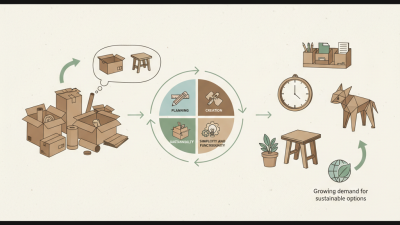
As the world shifts toward sustainability, demand for recycled cardboard is skyrocketing in 2026. Companies are increasingly focused on eco-friendly packaging solutions. This trend is driven by consumer preferences for sustainable products and regulatory pressures for waste reduction. Businesses are experimenting with various recycled materials to meet environmental goals.
Several key factors are influencing this surge. Buyers are becoming more aware of their environmental impact. They seek products with lower carbon footprints. Additionally, industries are investing in advanced recycling technologies. These innovations improve the quality of recycled cardboard, making it a reliable alternative. Increased collaboration between businesses and recycling facilities enhances this progress.
Nevertheless, challenges remain. The recycling process isn't flawless. Contamination in recycled materials can lower quality. Buyers must remain vigilant about the sources of their cardboard. Some businesses may struggle with the cost of transitioning to recycled materials. Understanding these dynamics is essential for making informed purchasing decisions. The future of recycled cardboard will depend on continuous improvement and commitment to sustainability.
Analysis of Leading Recycled Cardboard Suppliers and Their Innovations
The recycled cardboard industry is witnessing notable innovations. Data from the Environmental Protection Agency indicates that approximately 75% of cardboard is recyclable. This creates a significant opportunity for suppliers to enhance their production methods. Innovations in pulping technology have improved fiber recovery rates, increasing overall efficiency. The push for sustainability drives suppliers to adopt greener practices.
Leading suppliers are looking into closed-loop systems. These systems minimize waste and enhance process reusability. Studies show that such approaches can reduce overall carbon emissions by as much as 30%. However, challenges remain. Many suppliers struggle with balancing cost efficiency and environmental impact. They need to invest in better technologies to minimize waste while keeping prices competitive.
Consumer awareness is rising too. Buyers now prioritize sustainable sourcing. Reports reveal that nearly 70% of consumers consider recyclability when purchasing products. This shift creates pressure on suppliers to adapt. Those who embrace transparency about their practices often gain a competitive edge. Yet, there are concerns about the long-term viability of recycling programs. Continuous investment in research and innovation is essential for sustained growth in this market.
2026 Best Recycled Cardboard Options for Global Buyers
Comparative Study of Eco-friendly Certifications for Recycled Cardboard
The eco-friendly cardboard industry is rapidly evolving. Certifications play a crucial role in ensuring sustainable practices. Many buyers seek reassurance through these labels. However, not all certifications are created equal. Each one has different standards and criteria.
For example, some certifications focus on raw material sourcing. They ensure that the cardboard comes from sustainably managed forests. Others may emphasize the recycling process itself. This highlights the importance of minimizing waste and energy consumption. Evaluating these aspects requires careful consideration.
Buyers should also reflect on their own needs. Are they prioritizing environmental impact or cost-effectiveness? Each choice carries implications. While some options may be more affordable, their long-term sustainability might be questionable. Stakeholders must weigh the benefits against the potential drawbacks. Thoughtful choices will pave the way for a greener future.
2026 Best Recycled Cardboard Options for Global Buyers
| Type of Cardboard |
Recycled Content (%) |
Eco-friendly Certification |
Sustainability Rating |
Price per Ton (USD) |
| Single Wall Corrugated |
75% |
FSC Certified |
A |
600 |
| Double Wall Corrugated |
85% |
PEFC Certified |
A+ |
650 |
| Triple Wall Corrugated |
90% |
SFI Certified |
A++ |
700 |
| Paperboard |
100% |
Cradle to Cradle Certified |
A+++ |
800 |
| Kraft Board |
70% |
ISO 14001 Certified |
B+ |
550 |
Financial Implications of Sourcing Recycled Cardboard for Global Buyers
Sourcing recycled cardboard offers unique financial benefits and challenges for global buyers.
The demand for sustainable materials is rising. This trend compels companies to switch to eco-friendly options.
However, costs can fluctuate based on recycling rates and market demand. It's vital to maintain a balance
between sustainability and cost-effectiveness.
Investing in recycled cardboard can initially seem daunting. Prices may vary depending on geographic location
and recycling infrastructure. It can be less predictable than conventional materials. Buyers need to plan
their budgets accordingly. Understanding local recycling capabilities is crucial for accurate forecasting.
This knowledge can mitigate risks and enhance return on investment.
On the upside, utilizing recycled cardboard often leads to long-term savings. Companies can age their products’
lifecycles effectively. There may be tax incentives and grants available for sustainable practices. Yet,
keep in mind the potential for quality variation in recycled materials. This requires careful selection
and testing. A cost-benefit analysis is essential for successful procurement strategies.